
Introduction
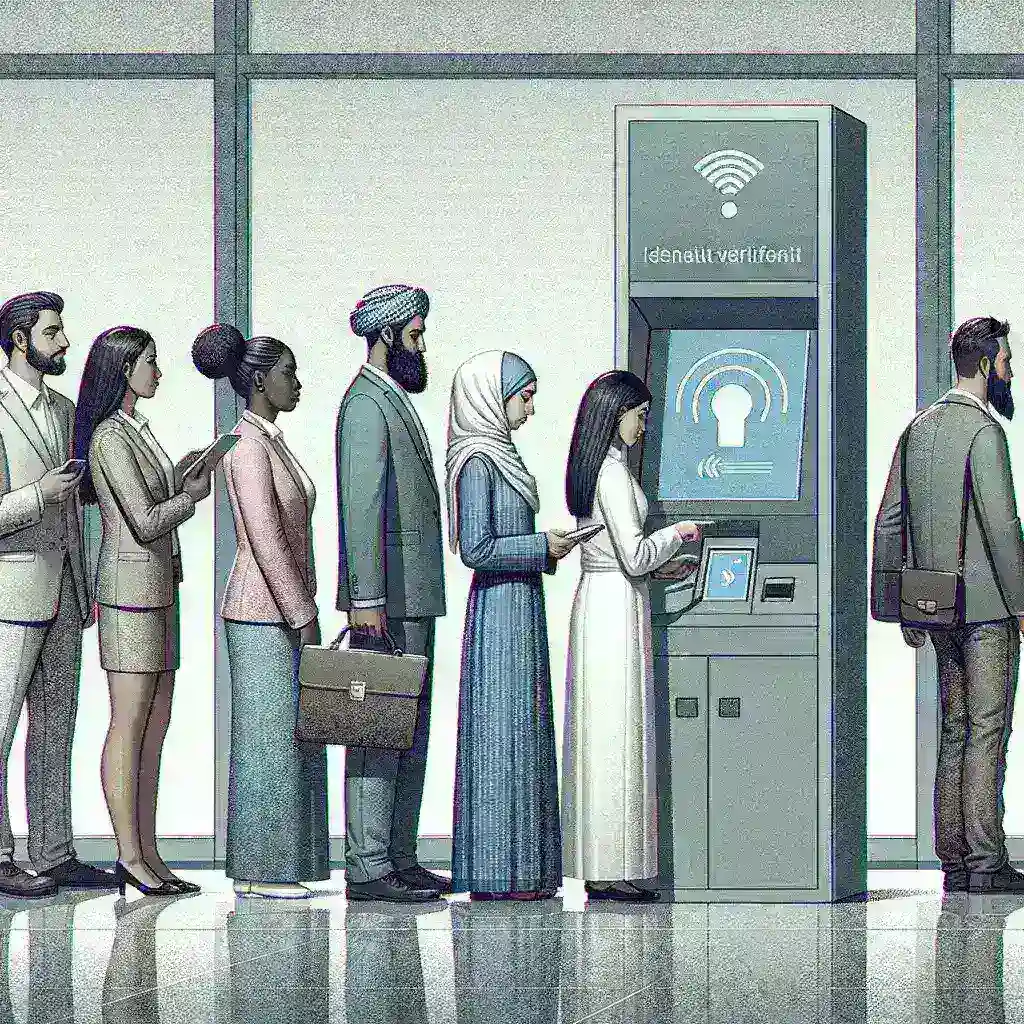
The US Postal Service (USPS) has been evolving to meet the demands of a rapidly changing digital landscape. One of the most recent advancements is the expansion of self-service kiosks equipped with Near Field Communication (NFC) identity verification. This innovative move not only streamlines customer experiences but also enhances security and efficiency in postal services.
Historical Context of USPS Self-Service Innovations
Historically, the USPS has always been at the forefront of adopting new technologies to better serve its customers. From the introduction of automated mail sorting machines to the development of online tracking systems, the USPS has consistently embraced innovations that enhance operational efficiency. The introduction of self-service kiosks marked a significant milestone in this journey, providing customers with the ability to perform a variety of postal transactions without the need for direct interaction with postal employees.
Previous Kiosk Features
Initially, self-service kiosks allowed customers to:
- Purchase postage stamps
- Send packages
- Print shipping labels
- Access tracking information
These functionalities were designed to reduce wait times and improve customer satisfaction. However, the integration of NFC identity verification represents a leap forward in both convenience and security.
What is NFC Identity Verification?
NFC, or Near Field Communication, is a technology that allows for wireless communication between devices when they are in close proximity, usually a few centimeters apart. In the context of USPS, NFC identity verification enables customers to use their smartphones or NFC-enabled identification cards to confirm their identity securely when operating kiosks.
Benefits of NFC Identity Verification
The inclusion of NFC technology in USPS kiosks offers several advantages:
- Enhanced Security: NFC verification provides a secure method for identity confirmation, reducing the risk of fraud and unauthorized access.
- Improved Accessibility: Customers can use their personal devices for verification, making the process more convenient and user-friendly.
- Time Efficiency: The quick scanning process minimizes the time customers spend at kiosks, allowing for a smoother and faster service experience.
Future Predictions for USPS Self-Service Kiosks
As technology continues to evolve, the USPS is likely to further enhance its self-service kiosks. Future predictions include:
- Integration of Artificial Intelligence (AI) to anticipate customer needs and improve service delivery.
- Expansion of services offered at kiosks, including international shipping options and specialized services.
- Implementation of additional payment methods, such as mobile wallets and cryptocurrency.
Real Examples of Successful Implementations
Several postal services worldwide have successfully implemented NFC technology in their operations. For instance, the Royal Mail in the UK has adopted NFC-enabled kiosks that allow customers to verify their identity and access services with ease. Such successful implementations serve as a model for the USPS as it moves forward with its own technological enhancements.
Pros and Cons of the Expansion
While the expansion of self-service kiosks with NFC verification offers numerous benefits, it is essential to consider the potential drawbacks as well:
Pros
- Convenience: Customers can complete transactions quickly without needing to stand in long lines.
- Reduced Operational Costs: Fewer staff members are required to assist with routine transactions, allowing the USPS to allocate resources more effectively.
- Security: Enhanced identity verification reduces the risk of fraudulent activities.
Cons
- Digital Divide: Not all customers may be comfortable with using technology, potentially alienating certain demographics.
- Technical Issues: Like any technology, NFC systems can experience glitches, leading to customer frustration.
- Initial Costs: Implementing and maintaining advanced technology may require significant upfront investment.
Comparative Analysis with Other Self-Service Solutions
When comparing the USPS’s NFC kiosks with other self-service solutions, it’s evident that the USPS is taking a proactive approach. While many retail sectors have adopted self-service machines, incorporating NFC technology into postal services is relatively novel. This differentiation positions the USPS as a leader in using technology to enhance service delivery.
Step-by-Step Guide to Using the New Kiosks
For customers unfamiliar with the new NFC kiosks, here’s a simple guide on how to use them:
- Locate a self-service kiosk at your nearest post office.
- Follow the on-screen prompts to select the service you wish to use.
- When prompted, hold your NFC-enabled device or identification card near the specified area.
- Complete your transaction by following the remaining steps on the screen.
- Collect your receipt and any printed materials from the kiosk.
Cultural Relevance of the USPS Expansion
The USPS has long been a staple in American culture, symbolizing connectivity and community. By modernizing its services through NFC technology, the USPS not only adapts to changing times but also reinforces its commitment to serving the public effectively. As more Americans embrace digital solutions, the USPS’s initiative reflects a broader cultural shift towards efficiency and technology-driven convenience.
Statistics Supporting the Move
Recent surveys indicated that over 70{2ea5ed010b3c70882ffa0bcbae7db161214b3844f83982358724ff043055a61d} of consumers prefer self-service options when available. Additionally, the implementation of NFC technology has been associated with a 30{2ea5ed010b3c70882ffa0bcbae7db161214b3844f83982358724ff043055a61d} increase in customer satisfaction in retail environments. Such statistics underscore the USPS’s strategic decision to expand its self-service kiosks.
Expert Opinions
Industry experts have weighed in on the significance of this development. According to Dr. Emily Carter, a technology analyst, “The USPS’s incorporation of NFC identity verification is a forward-thinking move that not only enhances the user experience but also sets a standard for other postal services worldwide.”
Personal Anecdotes
Many customers have praised the convenience of self-service kiosks. John Smith, a frequent user, shared his experience: “I love the new kiosks! I can quickly send packages during my lunch break without waiting in line. The NFC verification makes me feel secure about my transactions.”
Conclusion
The expansion of self-service kiosks with NFC identity verification by the USPS marks a significant advancement in postal services. By embracing technology, the USPS is committed to enhancing customer experiences while ensuring that security remains a priority. As the landscape of postal services continues to evolve, this initiative positions the USPS to meet the needs of modern consumers effectively.
Call to Action
Are you ready to experience the convenience of the new self-service kiosks? Visit your local USPS branch today and explore how these innovative machines can simplify your postal transactions!