
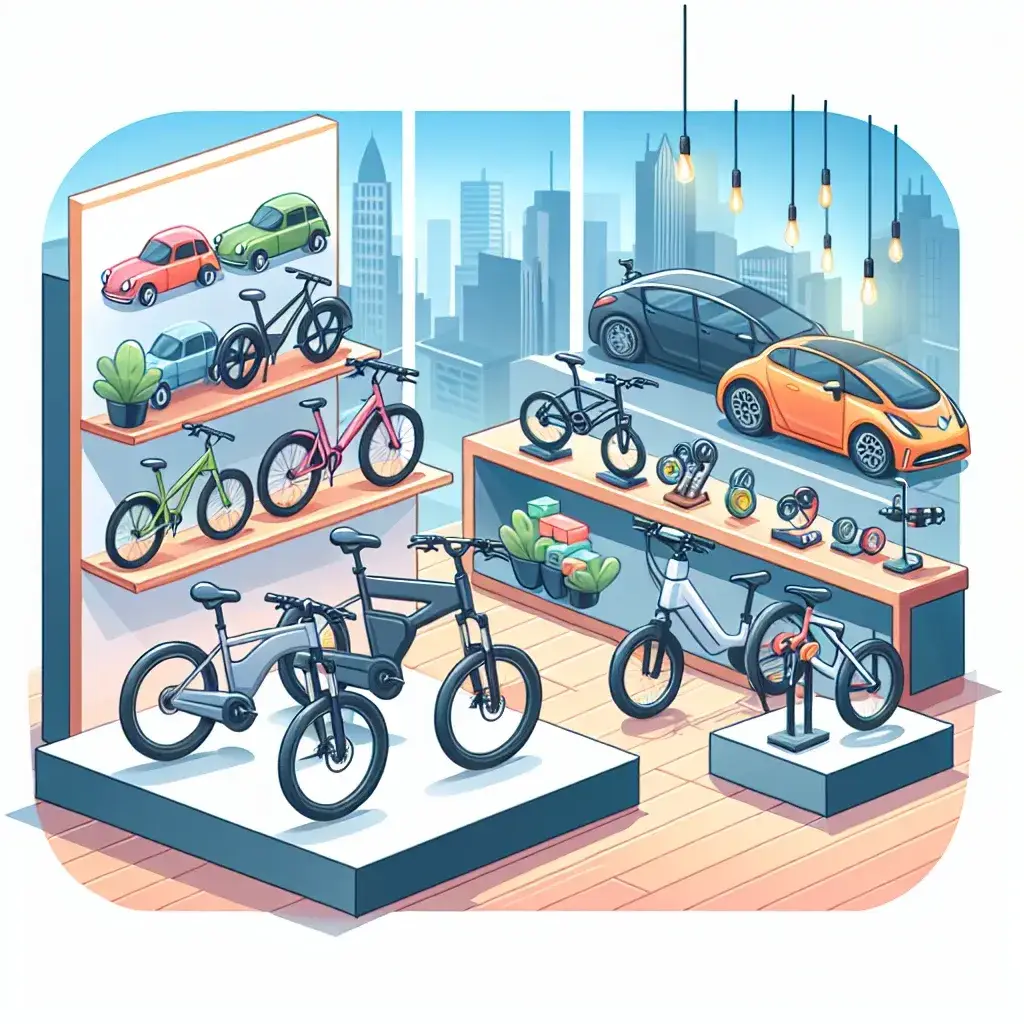
The Rise of Electric Bicycles
In an unprecedented shift within the cycling industry, electric bicycle (e-bike) sales have surpassed traditional bicycle sales for the first time in history. This landmark moment reflects changing consumer preferences, urban mobility needs, and advancements in technology. As we delve into the factors driving this trend, we’ll also consider the implications for the future of transportation.
Understanding the Shift
To appreciate this transition, it’s essential to look at the historical context surrounding bicycle sales. For decades, traditional bicycles have been the mainstay of personal transportation, fitness, and leisure activities. However, with the advent of electric bicycles, a new segment of the market has emerged, offering consumers a combination of convenience, efficiency, and fun.
Historical Context
The bicycle industry has seen significant evolution since its inception in the 19th century. Initially, bicycles were a luxury item. It wasn’t until the late 20th century that cycling became a mainstream mode of transportation, especially in urban areas. As cities grew and traffic congestion worsened, the need for alternative transportation solutions became paramount.
The Emergence of E-Bikes
Electric bicycles began gaining traction in the early 2000s. Their popularity surged as technology advanced, making e-bikes more affordable, reliable, and attractive to a broader audience. The COVID-19 pandemic further accelerated this trend, as individuals sought safer and socially-distanced modes of transport.
Current Sales Trends
According to recent statistics, e-bike sales have outpaced traditional bicycle sales, marking a significant turning point in the market. In 2022, e-bike sales accounted for over 50{2ea5ed010b3c70882ffa0bcbae7db161214b3844f83982358724ff043055a61d} of total bicycle sales in several regions, especially in Europe and North America. This trend indicates a growing acceptance of e-bikes as a viable alternative to cars and public transport.
Reasons Behind the Shift
- Convenience: E-bikes allow for faster commutes and easier travel over long distances.
- Sustainability: With a focus on eco-friendly transportation options, e-bikes offer a greener alternative to gas-powered vehicles.
- Health Benefits: E-bikes provide a moderate workout while reducing the strain associated with traditional cycling.
- Technological Advancements: Modern e-bikes offer improved battery life, better range, and enhanced safety features.
The Benefits of E-Bikes
Switching from traditional bicycles to e-bikes presents numerous advantages:
1. Enhanced Accessibility
E-bikes are designed to accommodate a wide range of riders, including those who may struggle with physical exertion or those new to cycling. By allowing riders to choose their level of assistance, e-bikes make cycling more accessible to a broader demographic.
2. Reduced Travel Time
One of the most compelling reasons to consider an e-bike is the potential for quicker commutes. With electric assistance, cyclists can travel longer distances in less time, making e-bikes an appealing option for urban commuters.
3. Environmental Impact
As cities grapple with air pollution and traffic congestion, e-bikes offer an environmentally friendly alternative. They produce no emissions and can help reduce the overall carbon footprint of urban transportation.
4. Cost Efficiency
While the initial investment in an e-bike may be higher than that of a traditional bicycle, the long-term savings on fuel, maintenance, and parking can make them a cost-effective choice over time.
The Future of E-Bikes
With e-bike sales on the rise, the future of cycling looks promising. Experts predict that as technology continues to evolve, e-bike features will become even more advanced, making them an increasingly attractive option for consumers. Additionally, municipalities worldwide are beginning to recognize the importance of cycling infrastructure, investing in bike lanes and parking facilities to support this growing trend.
Predictions for the Next Decade
Looking ahead, several key trends are anticipated:
- Increased Adoption: More individuals will embrace e-bikes as their primary mode of transportation.
- Innovative Technology: Advancements in battery technology will lead to longer ranges and faster charging times.
- Policy Support: Governments will continue to incentivize e-bike use through subsidies, tax breaks, and infrastructure development.
Challenges Ahead
Despite the many advantages of e-bikes, there are challenges that could hinder their growth:
1. Infrastructure Limitations
Many cities still lack the necessary infrastructure to support e-bike riders safely. Expanding bike lanes and parking facilities is crucial for the widespread adoption of e-bikes.
2. Public Perception
Some individuals still perceive e-bikes as less legitimate compared to traditional bicycles. Changing this mindset will be essential for continued growth.
3. Regulation
As e-bike sales increase, regulatory frameworks will need to adapt to address safety and licensing concerns. Balancing innovation with safety will be a key challenge for policymakers.
Conclusion
The surpassing of traditional bicycle sales by electric bicycles marks a significant milestone in the evolution of personal transportation. As more consumers recognize the benefits of e-bikes, their popularity will likely continue to grow. With the right infrastructure, support, and public perception, e-bikes will play a crucial role in shaping the future of sustainable urban mobility.
Call to Action
For those considering making the switch, explore your local bike shops and test ride different models to find the perfect e-bike for your lifestyle. Join the growing community of e-bike enthusiasts and enjoy the countless benefits they offer!